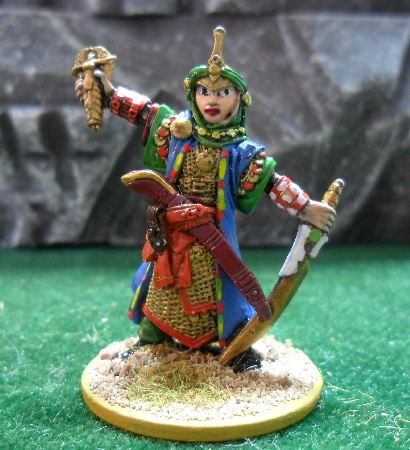
I created this character for a one-shot Nick-T ran at my place in September called Lost in the Forest. The details were otherwise sparse as to what we would be doing. We would be level 6, pretty much anything goes.
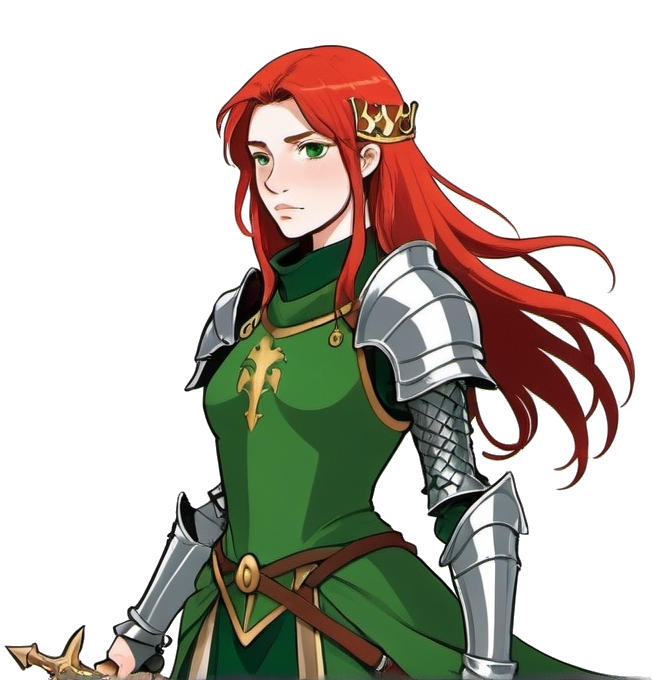
I decided to play a ranger, which I haven't played in years (I think my last PFS character was a ranger). After building her up to level 6, I decided to add some versatility and made her Ranger 5/ Fighter 1.
For my archetype, I chose the Green Knight from the Tarsyn Setting. I liked the idea of a ranger walking around in an armor made of dirt, leaves, and vines.
What is a Green Knight? The Green Knights of Tarsyn are dedicated to the protection and defense of holy site. The knightly fist of the Druidic Circles. The idea got me excited.
Now to complete the character...
- Sex: my previous character was a male, so I went with a female character.
- Race: I considered one of the Princesses, but did not want to be a Rose Red (an iconic combo). So after poking around, I went with a variant human.
- Background: I knew I wanted something different than the outlander... After some thought, I went with criminal. But I did not want her to be a burglar, but a highwayman... That was cool. Thus, she grew up, fell in with some bad folks, then later became a Green Knight...
- Name: I wanted something interesting that told a story... so I went with "Villaine" meaning "Bad Girl" which I thought brought the concept together...
Villaine
Villaine was born outside the city of Tarsyn to a family of honest farmers. Not interested in the toils of her family, she joined a group of bandits and became a highwayman, taking the name "Villaine"to protect her family from retribution.
One day, she met a Green Knights, and she became enamored with the idea of being a champion of nature.
Turns out, she was very much needed for the adventure and really helped the party throughout our adventure in the forest. The adventure was filled with fey spirits and interesting challenges that made for an interesting afternoon of D&D fun.
Recently, I took part in my friend Randy-P's short-lived Star Wars D6 game. It had been so long since I played the game (did a little one-shot with the kids once) and looked forward to it. Unfortunately, the campaign ended too fast.
The campaign took place in the era of the Mandolorian/ Ahsoka.
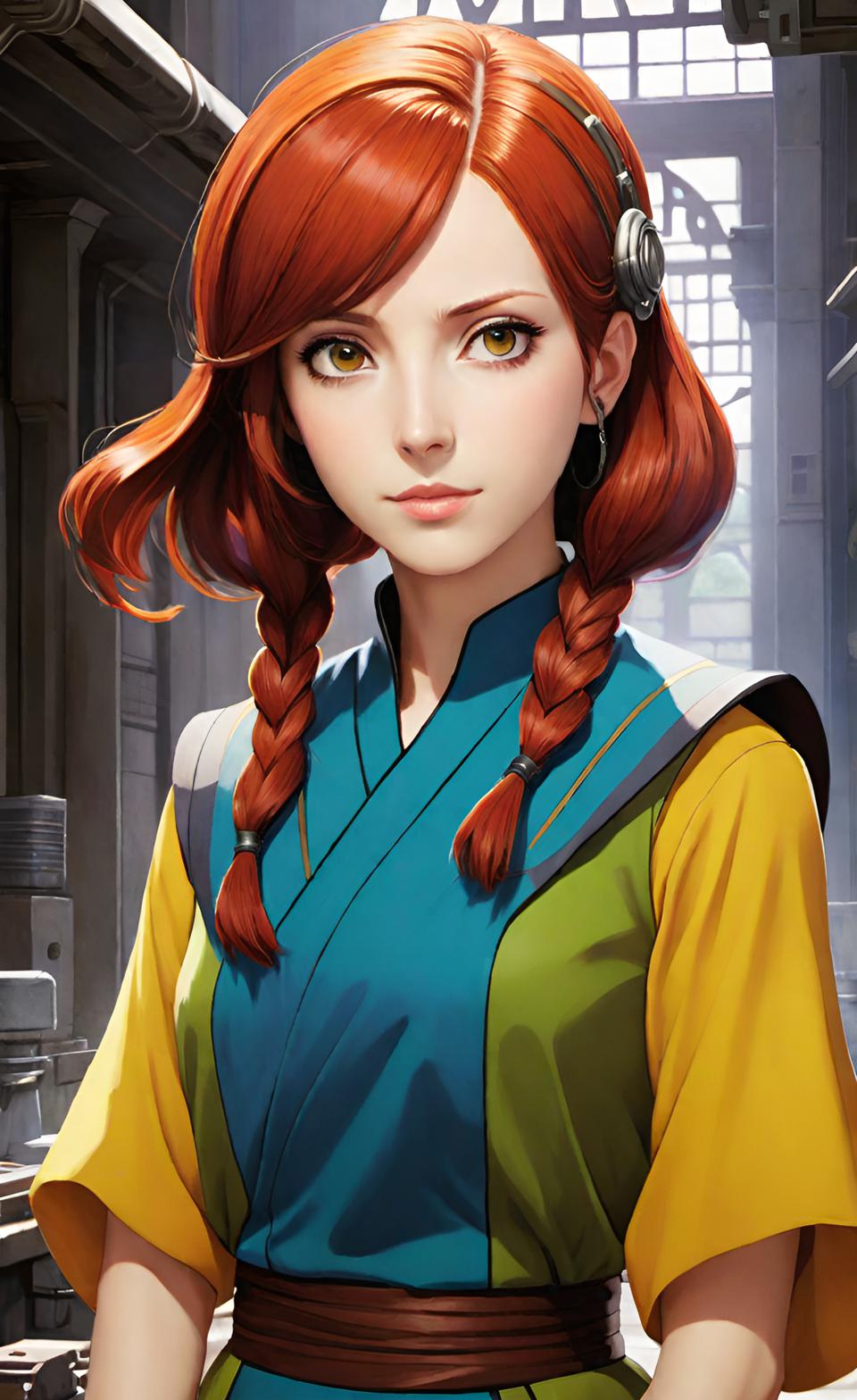
Kassee Broon was a young jedi from Naboo: Female human, auburn hair, 20s, Junker's outfit
Her story was: Illegitimate daughter of a jedi master killed during the Rebellion. She was her father's padawan when he was killed. To avoid getting caught, she fled with her father's possessions, which included a holocron. She trained with the holocron (but no longer has it, she stashed it in a safe place).
Now the four questions I sent to Randy:
- Important NPC: My mother, current whereabouts unknown.
- Important Place: Ruined Jedi temple on Naboo where her father first trained her.
- Important Event: The Force warning her to flee for my life. She doesn't know from who or why.
- Unresolved Thread: Kassee feels through the Force that her father was set up and murdered and someone is after her.
As you can see, I could (and very well may) re-use Kassee in another campaign by changing setting-specific information. The game didn't run long enough for my thread to come into play but I thought it left quite a lot of room to rope that in the game.
If you watch D&D Youtubers or even many other bloggers, they tell GMs to have players write them extensive backgrounds. That sounds awesome but when I am given a four-page novella, I often go, "Huh... that's not quite how I figured things would go."
So you end up stimying the players' creativity with characters who know nothing of their background, have no family, and no love affairs. Other than ladies of ill-repute they don't care about.
If you have been around this blog long enough, you will notice I changed my mind multiple times. Like when I thought about a good background length (where I recommended keeping it short), and especially the One Person, One Place, One Event technique. Both of those emphasize simplicity and brevity. They serve to get both player and GM to discuss.
The 1P1P1E technique in particular makes for simple obvious hooks. Effectively, the player gives the GM three hooks and reason for your character to adventure.
As a forever GM, I like to have as few notes as possible. No (just) because I'm lazy, but especially so I can easily and quickly find this information when my players are in front of my without having to point to one players and go "Who's that NPCs of yours? Oh yeah, your dad!".
The fourth question, is Tell me one mystery/questions you'd like to see in the game.
Fine, fine, it's not a question.
It's a thread I can weave into the narrative. This could be a monster, a magic item, or a mystery about the setting or the character's background. This allows me to weave or use some of these into the different adventures. Give the player a simple nod during the game.
So 2p1e1q (or Spleeq) is the new style of character backstory I use from here on.
The great thing about it is that it can be used with any game system and any type of game without difficulty. It's a simple, highly portable way to create ways to have your character tied into the world.
Here are some examples of One Person, One Place, One Event stolen from my own characters and those of others.
Example 1
I was raised as a monk in a mountain retreat (place) by an old and mysterious master (person) until someone set fire to the monastery.
So here, as a GM, I have a mysterious monk and I have an arsonist. Plus I have a number of threads: where are the monks now? why was the monastery where it is? why is the master mysterious?
Example 2
Son of innkeepers, I always wanted to get my mother's (person) approval. So when approached by a retired pirate about a lost treasure (event), I went to look for it (place).
As GM, I have a family with an inn, I have a treasure somewhere, I get other pirates. And threads: why did the pirate retire without the treasure? Is the treasure real? what is the story of the treasure? what does it contain?
Example 3
Coming from a distant land (place), I got drunk (event, repeated) and woke up on a ship that dropped me here. The only person I met who understood my language was the harbormaster (person).
As a GM, I get a distant land with a sea route to [here]. I have a character who does stupid things while drunk, repeatedly. And I have a harbormaster who speaks many languages. And this leads me to: what other mischief did the character do before? did he insult someone in his homeland?
Example 4
I got into a spat with my father (event, person) who threw me out. So I left town and I have been trying to get my application to the temple approved.
As a GM, I get an antagonist father as a mini-boss/distant threat, where are the character's friends? what was the argument about? are the friends employed by the father? why is the temple delaying?
Example 5 (an odd example)
I was sold by my parents (event) to a traveling musician (person) and I dream of returning to the family farm (place).
As a GM, this one is complex, but I can nonetheless get a number of things. Why was the character sold? why would the musician agree to such a deal? what is so unique and different about the farm?
This is very intertwined and leaves very little to interact with the outside world. The place is more of a motivation than a place. I would encourage the player to change that. I might replace the place with a location in town, perhaps the church or school where the character went. With a church or school, the GM can draw characters such as "Oh! Don't you remember me? I went to the Church of [...] also! I saw you there."
Example 6
I was sold into slavery (event) by my jealous sisters (persons). I became the swordmaster at the house of my new master (place).
As a GM, I get two evil sisters. I know I said to target ONE person, but a pair of sisters is close enough. Why was the character sold into slavery? where is the new house? what did the rest of the family do/say about the disappearance? Why does the new master need a swordmaster?
Wow! It's been a while since I made one of these posts... Here goes.
I've been recently called upon to help work on a number of characters and I was asked for guidelines. Since many were new players, I wanted to give them a solid foundation through which they could create their characters, even if they did not know the setting very well.
I paced a little before arriving to this "three elements background" which definitely fits for any RPG, any setting, and any character. It boils down to: One Person, One Place, and One Event.
One Person, One Place, One Event
In short, give your GM a rough outline of what you want, something that allow him to include you into the story while keeping things maleable. Keep yourself open to the GM's ideas about the character. He may have a character who could fit the description perfectly. Or he might change the context a little, instead of a human, the NPC is an elf.
One Person means giving the GM one NPC that is important to YOU. This could be an ally, a relative, a villain, or your master. Whenever the GM pulls out this NPC from his bag of tricks, your character should be driven to action. Don't over-specify who that person is, or how they are.
I mean if it is the wizard who trained you... then you that NPC is likely to be... a wizard.
One Place is a location that is important to you. Don't specify the name, but keep it to a generic location, such as your home village, a castle, a church, or a ship. This gives flexibility and allows for some adjustment. Maybe your village is not on top of the highest mountain, but isolated in the hills. Or is a fishing village.
One Event means you get to decide one thing that happened in the world. The less you know about it, the more localized it should be. Perhaps your parents were killed, or you found a shiny magical object.
The one thing to avoid here is to have the event remove the person and place from the game. Basically don't have you person be your father and your event the murder of your father. Or your special place is a castle and your event the castle vanishing in another dimension. The event should be linked to the other two, perhaps clarifying the relation to the person or giving a short history of the place.
The result should fit in one or two sentences that you can easily use. Then, as you grow and the campaign advances, you will expand and explore that background.
The goal is to help the GM tell a better story and for you to feel more invested in the adventure.
I was lurking around on RPG StackExchange and happened upon a question that made me pause. The poster asked the following question: "How much detail should I put into my characters backstory as to not be annoying to other players?"
The question was shut down because it is very opinion-based - true. But still the question is worth asking. How long should you have your backstory?
I will go from a historical view. I created characters that had a LOT of backstories: a few pages. And I created characters that had a very short backstories: a sentence or two.
I will differentiate between a background and a shtick.
A background links the character to the setting, creating ties between local events and NPCs. They tend to be rather specific in terms of which element you relate to. For example, my winter witch Katja grew up with her paternal grandmother after her father, a mercenary, dropped her off when she was about 5 years old and disappeared. This gave Katja a reason to help the locals: she grew up there, she had a grandmother present, and she was known as a quiet girl by the rest of the party. She had a few possible side-quests: finding her father and mother, discover her own powers, and an interest in books.
A shtick is typically short idea that gives the character a reason to be present but does not really get too close. For the past few characters we built for the Adventure League, ActionMan and I based and named our characters out of characters from Treasure Island. Captain Flint, Ben Gunn, Billy Bonescrusher, and Israel Hands all made appearances in games. They are all pirates and speak using "YARRR". They are there "just because". The shtick can generally be conveyed over a sentence of two. "We are pirates from Captain Flint's crew," gives most players a quick idea of what you look like.
So how long should your background be?
I have a bias towards "keep it short". Why? Here is a short list of my thoughts.
- You want to integrate with others. The more you detail your background, the more likely you isolate your characters from the other party member.
- Easier to change and adapt. Nothing sucks more than to have to go back and redo all your background because the plot suddenly took you to a different place. "What do you mean my father is the brother of Sauron?!"
- The GM has other things to think about. Perhaps the biggest reason for brevity, the more expansive you make it, the more the GM has to remember all your stuff. Few points makes it easier to remember and integrate in the plot.
- A good shtick may be good enough. A simple one-liner "I am a son of the nobility who came here thinking it would be fun".
So I will add a caveat to this list. If your GM asks you for more of a background, then go as big as he wants it. Still try to keep it open: avoid the "I am a complete loner and I never met anyone and have no friends or family outside the party."
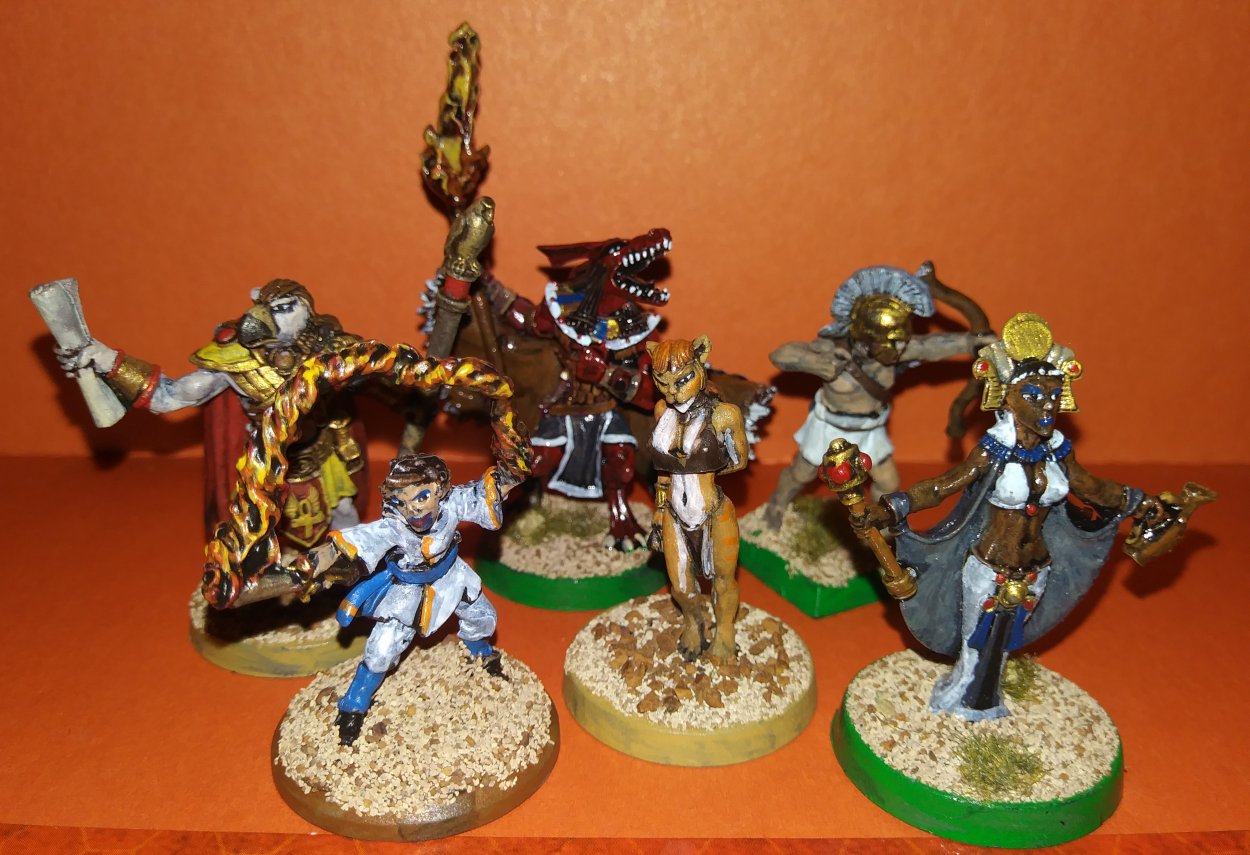
One thing Paizo has done very well was to create and use their iconic character in different scenes for their books. These characters became associated with the brand as its logo and trade dress. That was a very wise choice and something I plan on doing for Akhamet (and for all my other settings).
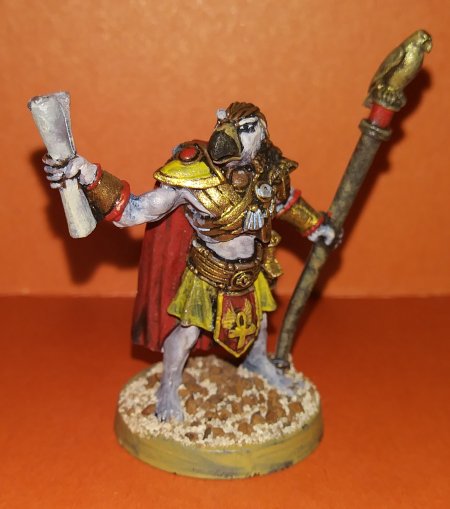
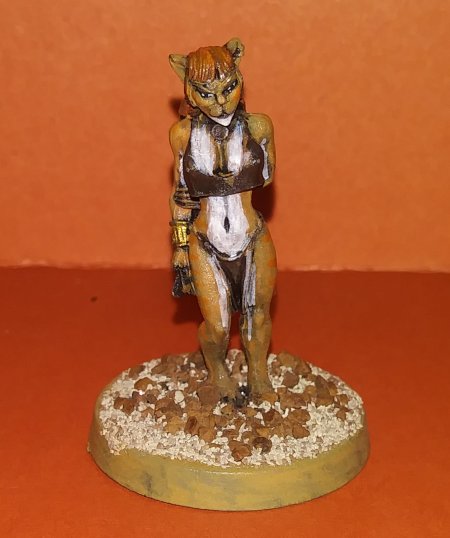
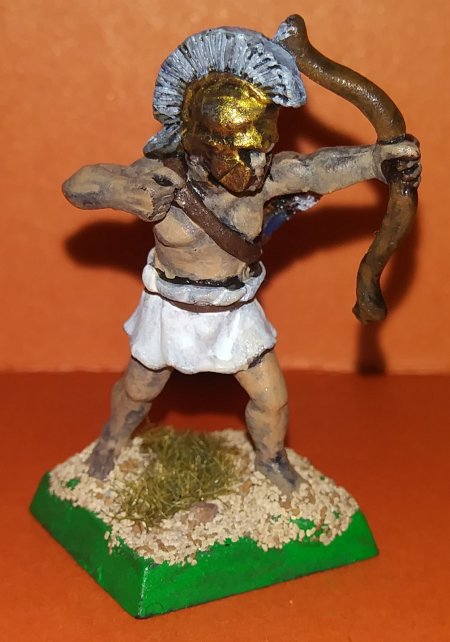
So without much further ado, here are the six iconic characters for the Akhamet setting. Clicking on the picture of their miniatures will open a bigger version.
These characters we created with material found exclusively in FOE' Akhamet setting, available from DriveThruRPG.
Amenheti
Male Horite Cleric of Pharaoh, Folk Hero
Born to a simple family of brewers, you grew up staring at the majesty of the Sun, amazed and fascinated by its power and glory. You joined the priests of Pharaoh to bring His glory to the common people. To this day, you share a bond with the common folk.
Hapatset
Female Ubasti Wild Sorceress, Wife of Pharaoh
You have always been pretty so when you were married to Pharaoh, you rejoiced in your good fortune. The day after your wedding, your veins filled with newfound. You are curious about magic, its relation to the gods magic, and the many places of power in the world.
Osaphis
Male Sethru Fighter/Bard, Scavenger
Born in the desert, you became a man of many talents, that a glib tongue and the firm application of a weapon were equally useful. You love the idea of getting rich and hire yourself as a scholar and a wandering tutor. What you don’t know, you fake.
Princess Akat
Female Retid-Khemite Paladin, Initiate of the Order of Lost Princes
Born to a disfavored concubine of Pharaoh, you grew up learning from the mummies of the Order of Lost Princes. You became fascinated with death and the Afterlife. Reaching adulthood, you joined the Church of Anubis as a necropolis guard. You inherited Jackal’s tail from your mother.
Ramanheb
Male Khemite Ranger, Sailor
Born on an island on the Endless Sea from a sailor father and a priestess of Khem, you heard the call of the Lady-of-the-Waves from the day you could walk and dreamt of seeing the world. You join Pharaoh’s navy one day when your mother looked the other way. You have been traveling the world since.
Tetsora
Female Gebite Rogue/Wizard
You spent your youth reading about the greatest constructions in Akhamet, the lives of their builders, and the secret side notes left by other in these scrolls. You know how build and repair public works, but also how to break into them. A skill you keep to yourself as you work as an architect and an engineer.
If you did not already know, I have a personal rule for creating characters that goes as follows:
Create a male character, then a female character.
I am currently fast-approaching a point where I need to create a new starter-level character for Pathfinder Society. Since the last character I created was "Igor" (based on the Marty Feldman character in Young Frankenstein), the next character I should build would be a female.
However, I do not have a good concept for a female character, but I do have one for a male character! Invoking rule 63 would make the idea not as fun to play.
So I'm breaking the rule!
What's the idea you ask?
Idea Number 1 A druid/priest who is a weather master. But unlike my other druids, this guy has a cleric domain. He would be one of Captain Flint's crew. Either that or he is his brother, Smolett Flint.
Idea Number 2 Zayeed Al-Zawree, a human ranger who is the brother of the al-Zawree sisters: Naadhira the Prophetess of Rovagug, Sahba the slave-warrior, and Katharan the spoiled princess. The family of oil merchants are people I want to revisit. I had this idea for a long time but never actually built it.
After some thought, I really like the idea of Zayeed.
A number of times, friends and players have commented that playing a paladin in Saggakar must be impossible to do, particularly if your character belongs to one of the great houses. It always surprises me when I hear that. And while I can see that worshipping a good deity and promoting order and goodwill may not make you a lot of friends, I firmly disagree.
Too often, a paladin lives in a place where choices are easy: a friendly populace, a government that support his goals and ideas, a public church to rely on, or an order to have his back.
It's easy to be the good guy with the lofty ideals when everything goes your way and your one choice is kill or capture.
But what happens when you cannot fight every evil at the same time? What happens when you have to hide or face a populace that is not fully behind you? When you have to choose what best way to improve the world? When simply using detect evil and beating up whoever walks up.
Is it harder? Yes.
But it is also much more rewarding.
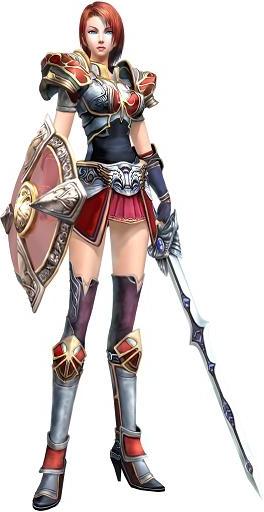
1- choose your fights well Though you may not be the brightest or wisest in the party, doesn't mean you must or should take on every fight, immediately. You will fight evil, and much evil there is, but like a policeman, you can take down the street pusher, or you can go after the head of the snake. Pick the fight you want, and win it.
2- just because someone is evil means that all his works are The First Ones are forces of evil, and while most of their works are evil and done for evil goals, not all are evil all the time. Such works much be encouraged and not opposed: creation of a new aqueduct or building of town walls. Work to improve the workers' conditions.
3- there is nothing wrong with working within the system This does not means that you seek out to help evil forces. This means that while you are forced to do so, keep your eyes and ears open for ways you can help out and make world a better place.
4- quarter turn at a time Not everything will work immediately, so focus on making small changes. However, like with a screw, if you turn it one quarter-turn at a time, you will get far.
5- you are a beacon of good As a paladin, you are a major warrior of the forces of good. There are many ways this can be played: you can be a martyr, taking onto you the pain and suffering of other. You can be the one person encouraging others to avoid antagonizing the masters, reserving that role for you. You can be a local leader and protect your people.
So as you can see, it is definitely something of a challenge, but not something impossible. The paladin can do much more good alive, than turned as a zombie.
I was recently asked by a friend of mine about how to make a paladin. Paladins being one of my favorite classes in the game, I replied with the following advice.
Personally, I like to play paladins who are not "Lawful-stupid" they are beacons of light and the bastions of all that is good and right in a world of failed and flawed people. Taking the high road all the time and leading by example is the name of the game. As a Charisma-based character, paladins make great party faces.
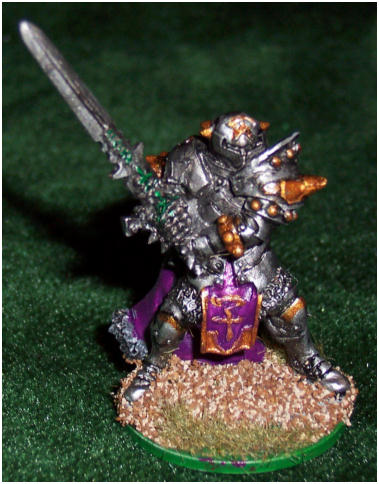
Paladins to me, are warriors devoted to their faith people talk about for centuries. People such as Sir Percival, Saladin, Roland. Paladin-hood is a calling, it is a blessing you must prove yourself worthy of receiving. It's not about looting, it's about making the world better and evil weaker, but not by taking shortcuts, the ends are as important as the means and the journey matters. For what good is it to win the world, but lose your soul in the process? The paladin is the hero who rises to that challenge, who leads from the front and who people love and remember.
He is the knight who walks into the dragon's den knowing there is no way to win, but he does it because doing so means saving the village. He is the one who walks into hell and calls out "I'm here to clean up this place".
I guess the important thing to remember is what your role is: you are a holy warrior and a leader of men. You are somewhat self-sufficient through your abilities, but that should not make you into a selfish zerger.
You character doesn't have to be a jolly, happy dim-wit. He can have mood swings, be sad, be impolite, he can have a love for the bottle. However, he should focus on getting things done. He is the light in the darkness, not a sun surrounded by mirrors to look at his own awesomeness.
Building a Pathfinder Paladin
Although there are a million archetypes to do all sorts of things, I will focus on a single-class, corebook character wherever possible.
If you are talking about in-game build, you need decent to high Charisma, decent Strength, positive Constitution. Wisdom and Dexterity are second-thoughts and Intelligence is a dump-stat. (Though they are heroic, no one expects them to be overly bright)
Skills: You don't have a lot. Take a rank in Handle Animal, Ride and Knowledge (religion). For the rest, focus on skills you are great at such as Diplomacy and Sense Motive. Take all favored class in skill points.
Feats: I am partial to Power Attack and Step Up, but then anything that will tank up your AC (Dodge, Shield Focus), beef you up (Toughness), or help your attack (Furious Focus, Weapon Focus) are good.
Builds: Many favor the heavy armor/ two-handed weapon, which is a reliable build. A greatsword or falchion are my top favorite, but a polearm such as a glaive or a bardiche should not be overlooked. If you want to go sword and board, the longsword, battle axe or scimitar are good choices. Make sure you buy a sap to deal non-lethal damage and bring criminals to justice...
I built a light armor/shield/scimitar build in PFS that worked very well. The character met with a lot of derision and recommendation, all of them away from my own idea, and honestly more in-line with my own recommendations above. She didn't seem like much to start, but when a paladin's work was needed, she shone and kicked butt big time.
Regarding the mount... well it was great, but Paizo never gives us reasons to use them. The weapon bonuses have a much wider utility, so I would definitely go there. If you are playing in a home game or non-Paizo product, then you might get more usage out of the mount.
Togo sat playing his horn to the falling star, he remained behind to give his fellows and give that misguided woman a chance to redeem herself. A pair of colorful song birds perched on the horn. Togo smiled as the birds chirped, serving as his accompaniment. He knew he would soon be with the Lady-of-Song that long ago appeared in his dreams.
Togo would be in paradise surrounded by the most beautiful women and listen to the greatest symphonies.
Togo loved the Lady.
The Lady had not forgotten Togo.
Togo died happy.
Thus died Togo, my savage skald/ cleric of Shelyn who gave his own life to give a woman a chance at redemption. Togo was a great character, a half-orc dedicated to women. He used simple language which people assumed had deeper meaning. Togo was a charming fellow.
Oh well, even though there is never any true chance for memorable heroics to be remembered by the PFS campaign, but this one will remain for me. Togo is gone. The hero who saved the town from The Dragon's Demand died as a hero. A heroic death like that... That goes into the treasure vault of great role-playing moments.
A few new players I have been playing with lately have been commenting they want to get more into the roleplay element of the game. So I decided I would make these occasional post to this series.
I spent some time thinking about how to help them get better. And if they have a better game experience, mine improves as well does it not? With this goal in mind here is my list.
1 - Imitate don't duplicate
When create a new character, imitate that person but noticing some of the most important thing that distinguishes this person from another: a pirate's speech pattern, an Italian's hand gestures, a woman playing with her hair, a woman constantly adjusting her jewelry, a nervous person playing with a cigarette, someone with bad hygiene scratching, the President's speech pattern (the last three are awesome for that), a flamboyantly gay person's attitude, the shifty eyes of a paranoid person. Yes these are stereotypes, but they really help you get in character, and it helps people either categorize you quickly as to the type of character you are and convey personality.
Seriously. Look around you in a public place. At a quick glance, you quickly make your mind about the TYPE of person you see.
Think of a moment in a game when you sat down with new people and one player describes himself as "highly aristocratic and snobbish" but slouches and laughs at fart joke, it doesn't work... But if he looks down at every one disdainfully, introduces himself curtly, and demands a bottle of wine for himself. Then yes.
2 - Start small
Very few great actors or writers started off that way. They had to work as understudy and rose through the ranks. That's why I recommend that you start small. Pick one quirk about your character, something you can do easily and that you can remind yourself. I used to place notes on my character sheet to remember about the character. Perhaps it's a keyword, or a hand gesture, or something to put you back in character.
These small things that remind you will eventually become second nature.
3 - Go Big
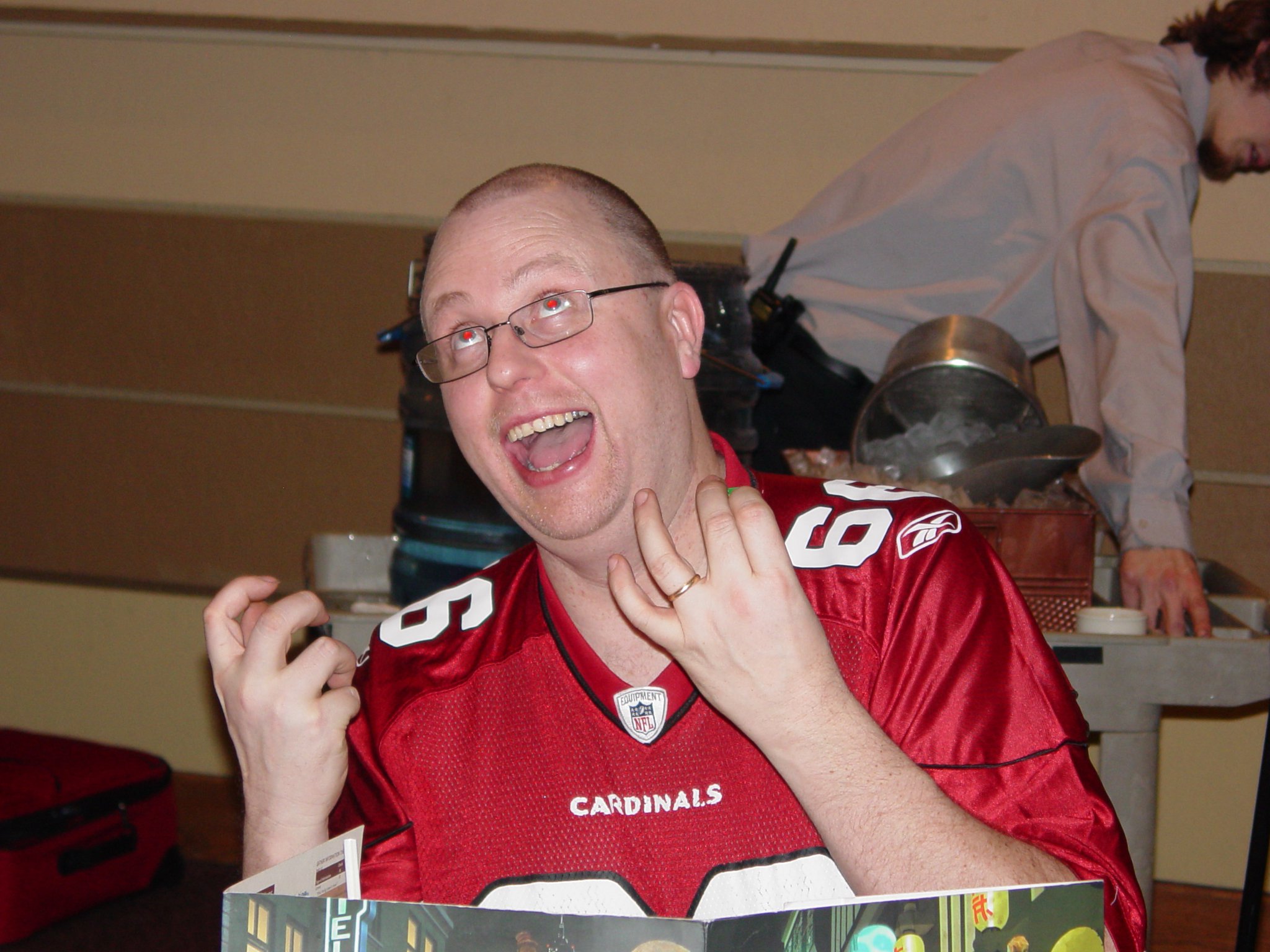
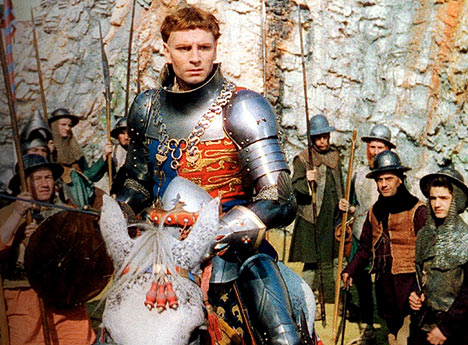
This may sound like the opposite of #2, but it is not. By go big, I mean that whatever you do, make it in a way that others can notice. It's what I sometimes refer as "the Steve McQueen," based on SMcQ's performance in the Magnificent Seven. If you don't know, throughout the movie, whenever SMcQ is on-screen but not the center of attention, he does something that draw your eye to him: he plays with his gun or hat, he dusts his coat, etc.
There is no point in role-playing something no one else will ever see. If your character has a tick and plays with his fingers, do it above the table where other see it. There is no point in doing it beneath the table away from everyone. Do it where the others can see it - or can pick up on it.
This doesn't mean that you necessarily do some wild, grand gestures all the time. You can wow people with a withdrawn character. Just make it so others can notice. That's what it means to "Go Big."
4 - Keep it In-Character
Perhaps the biggest thing... ask question of others in character and respond to them in character (IC). This has the double advantage of engaging someone else. After a time it becomes a reflex. It also helps others differentiating you the player vs you the character. If you-as-PC speak like Jerry Lewis, people pay attention to you because they quickly make the distinction.
Staying in character often draws other players into the game.
I won't lie that it's hard.
It is very hard to do in a consistent fashion.
But the rewards are awesome and worth the effort. Not only do you raise your game, but others will do it too.
5 - Consistency is important
This is the one that links all of the others and raises the bar. Without consistency, others never know how to approach you, and in doubt, they will not communicate with you as a
This one is something I've seen a lot of. A player comes up with a good shtick, does a grandiose show for the first 10 minutes then his character disappears, replaced by the same character the guy is. Players "default" to an out of character conversation if they have a choice. So Imitate, start small, go big and keep in character, but do it consistently.
Some of my characters
For a number of my own characters, I have small tricks I use to get into character quickly.
- Sir Azrel was an LG character of mine who was a demon hunter and something of a snob. At the start of every game, I would straighten myself and begin looking down my nose at people, knowing they would never meet the exacting standards I set for myself. In spite of this attitude, he was a kind and compassionate man.
Sir Alexite is a retired PFS character of mine who was a Hellknight. He spoke with a Cluzeau-French accent. At game time, I would make gestures like a classic actor would, and keep playing with my pretend puffy shirt and cravate.
Katharan Was my first character in PFS, and the first Colorado-based PC to reach retirement level. She was a complete Paris Hilton style shallow bitch that spoke with a Borat-like accent.
Katja is my character in Reign of Winter (and PFS), she is very traditional and extremely shy around people. Before any game, I do two things: first I start avoiding eye contact and keeping my gaze down; second I lower my voice to a low pitch and say something simple often times "No" or "I'm Katja".
Viviana is Katja's older sister and something of a minion. When playing her, I wrack my body a few times with severe twitches then call out in a raspy voice "The Mistress is great!"
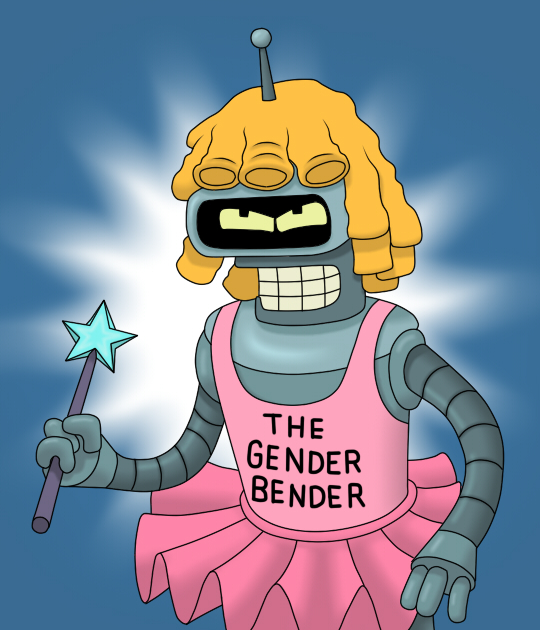
Genderbending is something that some players really enjoy while other shy away from it. Some are uncomfortable playing someone of the opposite sex or dealing with players of another gender. Some use it just for laughs and crude jokes, and that can be off-putting.
There are so many movies about this theme: from Robin Williams' Mrs. Doubtfire to Dustin Hoffman's Tootsie, Martin Lawrence's Big Momma's House, and the old Julie Andrews' Victor-Victoria. Tyler Perry do not count. These movies make me laugh because of the strange situation the characters always end up in. In an RPG, this is pretty much the same.
A few quick points:
- Keep it appropriate for the audience not all women are wanton whores and not all men are willing to hop into bed with anything in a skirt... Hummm let me rephrase that. Not all women are whores. Men. Well... we're pigs. But I'm good with that. Play a character that COULD exist.
- We think alike more often than not Okay I'm gonna get in trouble here, but in most situations, men and women think alike. At least the type of people who become adventurers. Yes adventurers are stupid: instead of running away at the mention of dragon, they run towards it thinking of mounds of treasure. Male and female adventurers ARE a dumb breed!
- Approach this as a character If you ever did theater, this is just the same. Visualize yourself as that character, become the character, but you always know in the back of your mind that you are not the character. Have fun and explore the character.
- Have fun with it There are number of situations where a character of a different gender can be fun to play. Go with the flow.
- Don't make it weird I placed this at the end because it is the most important one. Not specific to this, but always worth mentioning. If you feel weird or creeped out by "that guy" who tries to do things in the game he most likely does not do out of game or his FanFic. Don't be afraid to ask him to stop or tone it down.. Have fun but don't make it weird (for yourself or others).
Personally? I try to play believable characters, whether they be male of female. Their gender may affect how they react to some situations, usually romantic interests, but that is not the only thing that defines them. I have no issue playing a female or male character - years ago, I started doing the following: I build a male then a female character, regardless of the game.
Thus I sometimes stack concepts I believe would be better for a male or a female character. Sometimes concepts are based on a miniature I have or would like. Other times I built them on ideas.
The one exception to the above is MMO. There I only play female characters. Why? Because I prefer looking at a woman's butt for hours than that of a man!
Try it out for yourself. Try a funny voice. Try wild movement.
I have been thinking a lot about NeoExodus Legacies, trying to clear out my backlog of things I need to do for the campaign... And one of the things that gnaw at me are cohorts. I like the idea of having them as an option. I remember our Arcanis (after the Living campaign was done) game where we had 2 cohorts in the party and both added a lot of extra abilities and flavors to the tea.
Then I remembered that I wrote a blog post at the time. Yikes! Already three years ago! You can read my thoughts in this post from 2010. As I re-read it, I really though that it conveyed most of what I wanted to say. And that my thoughts from back then had not changed, they have only been reinforced actually!
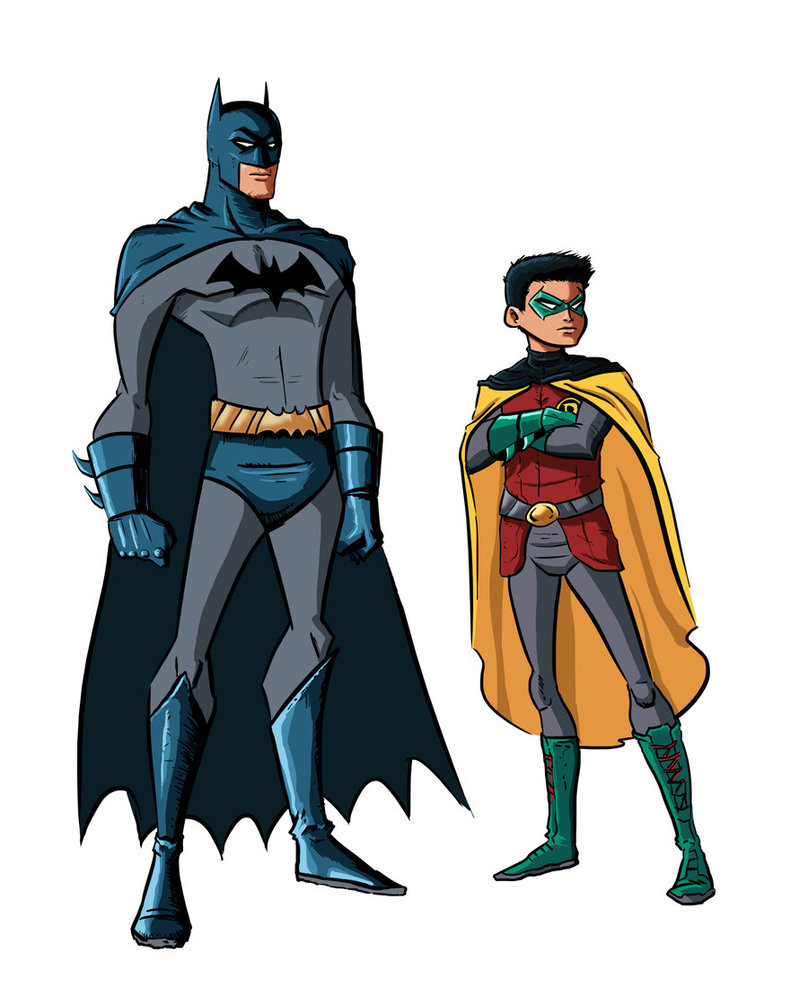
I think there are two good example of a cohort: Robin and Samwise Gamgee. Both of these are integral to the story of the main character (Batman/Froddo) but the main character can do their thing on their own. Okay Froddo is a little messed up at the end, but I'll focus on the first 2.5 books.
So... How to make cohort rules that are usable, fun and simple. I'm a fan of simple rules...
So I sat down and looked at the rules I had to compare: Living Greyhawk and Living Arcanis. Both had a usable system so I decided to inspire myself from them. Pathfinder Society has no such rules - which I really find too bad - though I can see why.
So in short:
A cohort is a less-powerful character. Still decent, the cohort becomes really good when he is together with his owner. Robin alone is not as tough as when he is with Batman or with the Teen Titans.
The cohort is not always present in the game. Batman often adventures on his own.
The cohort gains experience. Robin grew up and eventually became Nightwing.
The cohort should not have its own "pet". Remember when I said I wanted the cohort to be a quick addition. I don't want to see the summoner, his eidolon, his 12 summoned beasties, then the druid cohort with his animal companion and his 4 summoned animals begin to play.
I have been trying to merge the two together and have a first draft of the NeoExodus Cohort Rules ready to go to D'Anne and Linda for them to tell me how wrong I am. After that, I will make a post asking for feedback by you, my readers. So other than the big PaizoCon special... I have a number of things in the NeoExodus pipe! Its a really exciting time for the campaign.
This week I have been reading a number of posts (such as this one and that one) where a GM/Player state that they do not feel responsible for the fun of others at the table.
That gnawed at me. There was both truth and problem in that... And I thought about it.
True, I cannot be held responsible for a player's fun. Each person brings to the table something, and what one may love, another may not. Real-world issues sometimes bleed into the game. There is no way for me to know. I can help, but in the end each player is responsible for his own enjoyment of the game.
So after that, I thought of a number of scenarios when I did not enjoy myself. And I came up with the caveat of the original assessment.
While I cannot be held responsible for your fun/enjoyment, I can must be held responsible for preventing your from enjoying the game.
What I mean here is that through action, inaction, nagging, or out-of-game, I can make it so the enjoyment of others is significantly lessened. And that, I can be responsible. I joked that which I cannot be responsible for you breathing, by putting my fingers around your throat, I can make it really hard for you. Yes that's was a little assassin humor! Unlike many players, I like to create characters with a blaring flaw or a built-in problem: whether its lack of melee abilities or a very low attribute. Something. Also my character should be good at what I want to do: melee, spell casting, healing, or ranged attacks. That's the character's role and goal. From that base he can and will florish in the game.
Back in college, I used to do improv-theater, and one of the common penalties was "character refusal". Character refusal was a way of blocking others rather than roll with the punches. It usually had the unfortunate side-effect of stopping or blocking creativity. It wasn't simply saying "No". As you entered play, someone told you "Hey John the Fisherman!" And you replied "I'm not John and I'm not a fisherman" was surefire penalty. However, replying "I'm Bill, John's twin and I'm looking for John" would not. In an RPG, players have their characters pre-established, but players - and I've guilty of this myself - sometimes block each other's actions. Shall I point out the two trapspotting rogue parties? Who disables the traps? "I have +10, you're +9 you help me..."
Yep.
I'm sure of it. While I cannot make it so someone enjoys the game, I can make it so someone does NOT enjoy the game. Not an easy thing.
Following my Friday's post, I received a few additional emails through various sources. I chose some "choice morsels" to re-post here.
Sean Clark is one of the "old guys". Okay not so much because of his age, but because he was around in the days of Living Greyhawk. Sean really creates unique and colorful characters... I like his advise. It's simple and to the point. I especially like the catchphrase idea, what a great idea to get into your character.
Don't stress on fleshing out your characters life story - work from a solid concept and let the character develop over time.
If you have problems staying in an accent, work on a catch phrase for your character, using that accent. That catch phrase can help keep you " in the groove" and also helps people remember you character. Example? Try saying "That's freakin' huge!" With a Scottish accent ;)
One of the great questions that I always ask myself about each character is "what motivates this character to risk life and limb to go adventuring?" Kind of a basic question, but it can really help nail down what drives your character.
Make sure your character is really good at something. Role playing is awesome, but if you party TPKs because your character has a lot of personality, but brings nothing to the table, the players WILL remember you, but not in a very positive light.
And Jeff Kokx, owner of Enchated Grounds added to the discussion. I consider Jeff one of the best player (and GM) I've played with over the years. His point reaches mine about not predetermining everything about your character. Play and interaction with others creates ties and recurring relations that make for unmistakable moments.
His advice is great. Great point.
I'll also add on to Sean's idea about letting your character develop over a bit of time: don't be afraid to let other players' influences define who you are. One of my favorite characters to play is Khaldun, my dwarven guide. He is uncouth, butchers names on a regular basis, and respects people with really nice hats. The uncouth and hat parst came from another player's input, and I love those aspects of his personality.
Eric Ives shared the following thought which I really liked. A character is never "mysterious". In an organized play setting, Eric is 100% right that a mysterious character remains mysterious. If, as a player or GM, a mysterious character is someone who simply gives you no hook.
That's not to say that the "mysterious" thing cannot be used. Having a character with a mysterious tattoo or mark or a weapon of mysterious design at least prompts the question "what is that?" But being a mysterious stranger... Well see Eric's comments.
I've played at quite a few of the Learn-to-Play nights over the last year and one mistake I see a lot of new players making is to define their characters as "mysterious", thinking that that means "cool", but in this context it usually means "boring", both for the player and his teammates. In this setting, no one has time to draw your character out of his shell, and most people just aren't going to care about the slow reveal of your secret origin. From what I've observed, the people that have the most fun playing in PFS are usually playing characters that are relatively up-front, understandable and at least somewhat entertaining to the other players.
I have been talking to players who asked me how they can create unique characters - particularly for Organized Play. Though many campaigns focus only on the combat and ignore or minimize the non-combat to "a few dice rolls", many GMs and players enjoy doing something than comparing the amount of damage they did.
One thing LPJ and I have talked about has always agreed upon is that art must make a person go: "Who is that guy?" and "What's his story?" Those two questions seem fairly simply but how many times have you looked at a piece of art in a book (RPG or not) and asked yourself those two questions?
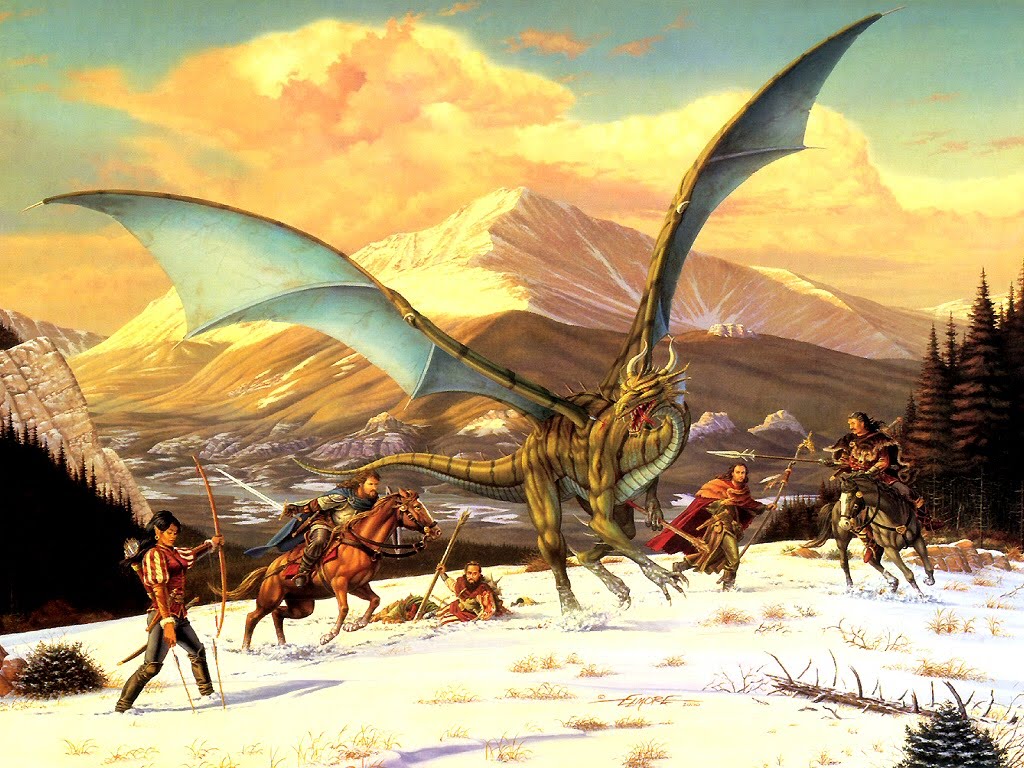
One of my favorite artists is Larry Elmore. Other than a great realistic way to draw, LE always created scenes that made me want to know more about how things got the way I saw. When I look at the image to the right, I don't think "That elf girl is a 6th level ranger with bow focus, and the Manyshot, Rapid Shot and a bow +3" or "that mounted swordman is a 12th level cavalier with a +25 in Ride and a +3 demonslayer sword".
Let's look at what we know from the Archer Girl: She is an elf. She is an archer wearing light armor. Her dark hair could indicate a tribe or even half-elven heritage. She has been here for a while, perhaps having set an ambush (why would she plant arrow in the ground rather fetching them in her quiver). She seems poised and calm amidst the chaos of battle. The hair + earring combination makes me think she might be from a gypsy-like culture.
And now the mounted swordsman: he carries a sword and shield. He wears some type of breastplate with a simple cloak - making me think he is either used to the cold perhaps coming from a place where this weather is common. From the way he handles his horse, it is obvious that he is used to riding and his horse used to be taken into combat. His eyes are on the dragon's head but he seems to be preparing for an attack behind the dragon's legs.
From either of those two simple description one could make vastly different characters. For the fun of it, try the exercise on more LE's art. Feel free to try it on any art you find on Deviant Art or Elfwood.
If you only saw two sets of stats, then there is little I can do for you.
Creating a unique character
When creating a character for it (whether NeoExodus or PFS), I try to think of my character in the following terms. "What will MY character bring to the table that would make me a useful member of a team?" and "What will MY character bring to the table that can help the party succeed?" By answering these two questions, I generally try to answer in terms that are not strictly in-game.
Next, I try to think of a few quirks. Those familiar with GURPS will know exactly what I'm talking about. These are small personality tricks that make your character unique. This could be an accent, a little trick they do, a basic character trait, in short something that cannot be quantified in pure game terms.
From the 2 questions and the 2-4 quirks, then I start building a concept. This makes characters completely unique without having anything to do with his stats.
Here are my first three PFS characters with the basic idea I had for them: People often remember them simply on the basis of these quirks.
Katharan al-Zawree: "This character will be an awesome face and highly utilitarian caster" Quirks: Acts like a spoiled brat, speaks with a "Borat-ian" accent, promotes her business "Al-Zawree oil" Sir Alexite von Crispin-Thrune: "This character will be able to do almost everything non-combat" Quirks: Speaks with a french accent, strongly devoted to Asmodeus as the "lord of contracts" Naadhira al-Zawree: "This character will be a kick-ass necromancer" Quirks: hates Katharan, speaks with the same accent, hands out "if you find my body" cards
Now I have a concept that can be ported to any game system. I now have guidelines upon which to build my characters.
Playing a unique character
It's one thing to have created the most unique character in the history of the game. If you forget everything once you sit at the game table, you simply wasted your time.
You now have a character with some interesting traits. It is time to bring that character to the table and explore the world.
Here are a few tips.
Your quirks should be easy to remember and play If you can't make accents, do not build a character based on a stereotypical Italian pizza man. YOU are the one playing your character, others will not be reminding you "doesn't your character stutter?" They won't. Your character will evolve based on his game experience, go along with it One of the worse things you can do is to plan your character for the next 50 level of his life. This is convenient, but completely unneeded. It makes you unresponsive to what happens around you. Some of the best characters I played completely happened when I least expected it. One such character was my cleric of Berronar Truesilver in LG who I planned on making a Clr/Ftr. However as a CLR2, I met an oracle who told me that I would become greatly involved in magic. During the adventure, I found a spell book. Well, Torgga finished her career as a Mystic Theurge! She became one of my favorite characters, and a memorable one at that! Focus on what YOUR character would do, not what YOU would do Your character should have thoughts an ideas that are his own. Your character is not YOU. He is influenced by you, draws from your experiences, but he should have goals and thoughts of his own. And alignment should not be the determinating factor in his personality. Some of your characters may hate such another PC but like others. Most players dislike playing Naadhira because of her abrasive personality, yet about as many like having her around because she keeps people alive and does her job well. Yes, she's abrasive and threatens people all the time, but she also keeps them functioning (though a few people would rather not...) Don't talk about your character in game terms That's perhaps the easiest. Use non-game words to describe your character. Don't say "I'm a fighter". Say "I'm a veteran mercenary" or "I live to slay [orcs/ dragons/ demons/ ninjas]". This makes is fun because your character does not have "fighter" or "barbarian" or a unique combination of classes. Never lie to the GM, but don't be afraid of passing notes to him about your class. If you ever pull out the surprise where your fellow players look at you with round eyes and go "you can do THAT!?" is well worth the reward. No one else wants to read your background, you have to make others interested in it Many players believe that writing a novel for your character and giving copies to all your friends and fellow players is a great way to give yourself depth. It does not. It gives your character a back story. The experiences you had should affect how you play. How did the experiences he had in the back story affect how he is today? Did you characters grow cautious or brash? Did he gain a fascination for spiders and other things? That's one thing. The next is to have your character bring in tidbits of his story. Let that be the catalyst for in-party discussion. Understand that your character's views and story may not be the only one. Do not get discouraged Many players get discouraged because others only care or focus on the stats and the number. One of the things about Organized play is that not everyone wants the same thing. Some people are just there for combat and others are there for the social. The goal is to make sure everyone gets their fun and perhaps find that there are some bright spots. Campaign culture really plays a big part of that. Campaigns where AC 30+ "wins" and all you need is a mindless barbarian dealing 50+ damage at level 2, will result in players doing exactly that. There is no difference between in-combat and out-of-combat character unless it is part of your character, your character doesn't have a personality that turns on or off during combat. If your character is shy, he should act that way in and out of combat. Try to stay true to your character.
Combat should not trigger that type of surprise change.
Yes this was just an excuse to put one of rock's most awesome and insane anthem: Genesis's 1972 "Supper's Ready" the sweetest tale of the Apocalypse... When they were great. Really. Awesome... All the way to the raising of the sword at the end... NICE
Practice, Practice
Now all this is simple and easy to say, but you should practice, practice, practice. You won't be good at it the first time around. But the more you practice and keep reminding yourself of your quirks and how you want your character to be.
Oddly enough, I found this to be easier to do when GMing. Take a few NPCs and think of them in that way. Make them unique. The reason it is easier is that you do not have to play the same character for X hours. Rather the character comes in, does his thing and leaves. You may them think back upon your performance and practice it.
I practiced - quietly - my Joker laugh/ giggle at work for a week before I got it to a point I thought was both sinister, funny and insane.
I didn't tell my players, but WAYYYYY back in an era of innocence, youth and craziness, known as the 90s, I practiced that... ON MY PLAYERS. At the time, I used to have 2 groups of Vampire: The Masquerade I would run. Both of them in the same in-game town (but I had one group in Montreal and one group in Sherbrooke). One of the things I (still) like about VtM is the fact that you have relatively few Vampire NPCs, so they are frequent recurrent characters. By having 2 groups, it quickly became obvious that they would both come in contact with each other.
And contact they had. So many times, I played PCs of group 1 to the PCs of group 2 and vice versa (then off-screen I would tell the player I impersonated the gist of the conversation he had). Then one time, I had a "party merge" where they all got together for some big event (can't remember what it was). The players were amazed at how smooth the transition was. And I was happy about it too.
If your spouse - or significant other - is like mine, she should provide you with ample quirks to mimic. Mimicking my wife - usually behind her back - is great and hilarious... Until she finds you then you pay for it.
I have finally come up with the way I want to create the characters for Dark Trenches... Another little gem...
First off, each character is given a basic concept with a character sheet (clergyman, dilettante, drifter, journalist, professor, and policeman). To that base, I will add to each character a "military training" package taken from "No Man's Land". At this point we have a basic character.
Since I plan on running the adventure is a public setting, I want to make the characters unique, and give each of them some special, bonuses to skills, to give the PCs a chance. As such I have created four groups of backgrounds to complement each other.
The first group is a characters' youth. These skills provide some insight into what the character did when he was young.
The second group is a characters' hobby or generic background, which should flesh out the character even more. Maybe the character worked as a lumberjack or played sports.
The third group is a characters' ethnicity, representing the melting pot that was (and still is) Canada. How you view yourself in the war is given here. Yes, those views are stereotypical and hopefully, represent the feelings of the times.
The final group - and no doubt the most entertaining - is the "secrets" section. Of course everyone has a dirty secret. Each section before gives the PC bonuses to skill, and so does this one. The major difference is that this one may completely change some of the information your received above. It is up to the player to present this as a package.
Therefore, although the plot will not change, the characters themselves will. It will be interesting to see how it all plays out, but I think the players (and I) will enjoy this random "creation".
That's it for now! I don't want to spoil it, but it is going to be... Sanity draining...
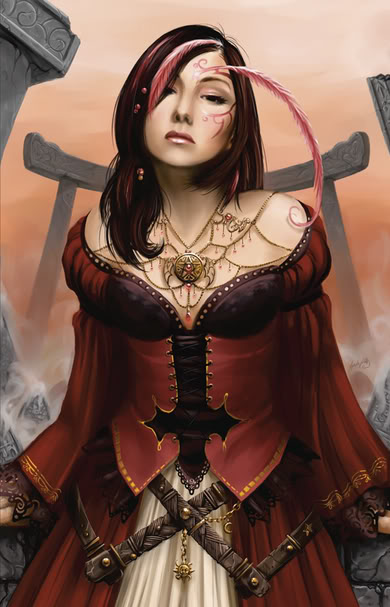
For almost two full years now, Katharan al-Zawree, founder of the world-famous al-Zawree oil (great for frying) has reached the venerable level of 12. In short, she is nearly fully retired from the Pathfinder Society campaign.
Sigh.
Katharan was a character I built on a table corner that day in September at Enchanted Grounds. The choice of Qadira for her origin was mostly out of convenience: create a money-grabbing spoiled princess. Although she was similar in abilities to another one of my characters (Living Arcanis’ Lady Kermina val’Borda), she turned out quite different for Katharan was only motivated by her own private pursuits and projects.
For those who played with Katharan she was a unique character: never wanting to do anything herself, never paying attention, always in a hurry, but with impeccable grooming habits. Here are a few highlights of her adventuring career.
- She sold another PC into slavery in return for a carpet.
- She purchased a loyal slave in return for a masterwork longspear (she found it too heavy).
- Never wore more than a belly dancer’s outfit.
- After being turned to stone by a medusa, Katharan fled the next time she saw one.
- She once commanded a vampire to let her command another dominated PC.
- Noted “Do not go back there” after a trip to the Mana Wastes.
- Found the Mwangi tribes men nice and hot-looking.
- Cast four teleport spells to travel to Absalom and accomplish a faction mission (spending 1 PA in the process).
- Convinced herself that Naadhira was trying to kill her.
- Plots to kill Naadhira.
Katharan, I shall miss you. You are now waiting for a module (Academy of Secrets in September) to return to our lives and then run the 4-module retirement arc. Looking forward to that… Maybe one day you will return as an actual character in a story… that would be awesome!javascript:void(0)
It is with a sad heart that I retire you, dearest Katharan... Heavy heart indeed...
Why you ask? Because Mario’s Awesome Warhammer campaign is over! My character somehow managed to live through it all from the start. He got pretty beefy at the end, despite a few niggling injuries and a few insanities, such as zealotry and an alignment change. Fought off gods, orcs, dark elves, giants, dragons, chaos-infested things and on a weekly basis, each other (okay I usually got beat up by the others).
The Cast: Ragni the dwarf who became a slayer after a close encounter of facial-genital kind. Val, a young half-elven knave who crossed our path and stuck around with us. Eva a chaos-infested witch ready to sell her soul to the dark powers. Father Werner von Breslow-Giersbergen (me) a righteous zealot carrying a burden only I can bear… Guided only by my blinding and complete faith in Sigmar and his patron, Ulrik.
The finale was truly epic. Couldn’t ask for much more! We headed into the Mountains with the soul of a dark chaos god stop him from tricking the orcs into granting him more power. I bore the container that leaked its essence like a burden. One I accepted because I could not allow Ragni or that evil witch Eva to hold it. The witch appeared shortly after the untimely demise of Sister Lady Violet.
Once the battle was in full swing, Ragni my dwarven slayer friend met his doom at the hand of the god-like Nagaash. As it pulled his still beating heart out of his chest, I howled madly from the grief of losing my last true friend and swung my hammer into it as it focused on the witch. The beast finally fell to my blows. Leaving me standing, full of grief and anger that the witch had survived but that my friend Ragni had passed away.
There you have it, in a few words… How Father Werner prevented the end of the world…
Now that the campaign is over, I’m depressed and wondering what to character to do next. We’re going to start a new campaign (still using Warhammer 1st Ed) but I’m in a rut. I really liked my character and do not want to make the same character but I’m oddly lacking ideas this time around. Playing something different is a must. So the question remains… What?
So there you have it… the source of my depression. Nothing that can't be cured with... MORE GAMING!

 I decided to play a ranger, which I haven't played in years (I think my last PFS character was a ranger). After building her up to level 6, I decided to add some versatility and made her Ranger 5/ Fighter 1.


 The campaign took place in the era of the Mandolorian/ Ahsoka.
 So you end up stimying the players' creativity with characters who know nothing of their background, have no family, and no love affairs. Other than ladies of ill-repute they don't care about.
 It's a thread I can weave into the narrative. This could be a monster, a magic item, or a mystery about the setting or the character's background. This allows me to weave or use some of these into the different adventures. Give the player a simple nod during the game.
 I got into a spat with my father (event, person) who threw me out. So I left town and I have been trying to get my application to the temple approved.
 So how long should your background be?


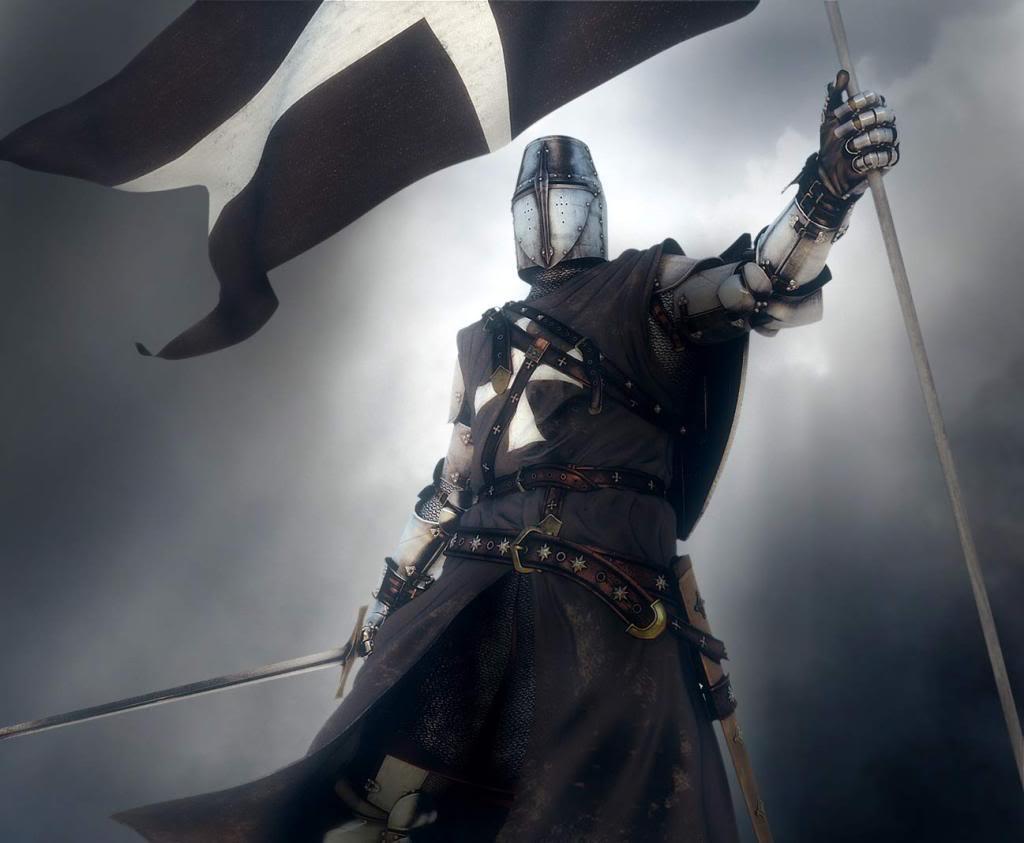 Too often, a paladin lives in a place where choices are easy: a friendly populace, a government that support his goals and ideas, a public church to rely on, or an order to have his back.
 1- choose your fights well Though you may not be the brightest or wisest in the party, doesn't mean you must or should take on every fight, immediately. You will fight evil, and much evil there is, but like a policeman, you can take down the street pusher, or you can go after the head of the snake. Pick the fight you want, and win it.
 Paladins to me, are warriors devoted to their faith people talk about for centuries. People such as Sir Percival, Saladin, Roland. Paladin-hood is a calling, it is a blessing you must prove yourself worthy of receiving. It's not about looting, it's about making the world better and evil weaker, but not by taking shortcuts, the ends are as important as the means and the journey matters. For what good is it to win the world, but lose your soul in the process? The paladin is the hero who rises to that challenge, who leads from the front and who people love and remember.
 I built a light armor/shield/scimitar build in PFS that worked very well. The character met with a lot of derision and recommendation, all of them away from my own idea, and honestly more in-line with my own recommendations above. She didn't seem like much to start, but when a paladin's work was needed, she shone and kicked butt big time.

 When create a new character, imitate that person but noticing some of the most important thing that distinguishes this person from another: a pirate's speech pattern, an Italian's hand gestures, a woman playing with her hair, a woman constantly adjusting her jewelry, a nervous person playing with a cigarette, someone with bad hygiene scratching, the President's speech pattern (the last three are awesome for that), a flamboyantly gay person's attitude, the shifty eyes of a paranoid person. Yes these are stereotypes, but they really help you get in character, and it helps people either categorize you quickly as to the type of character you are and convey personality.
 Very few great actors or writers started off that way. They had to work as understudy and rose through the ranks. That's why I recommend that you start small. Pick one quirk about your character, something you can do easily and that you can remind yourself. I used to place notes on my character sheet to remember about the character. Perhaps it's a keyword, or a hand gesture, or something to put you back in character.
 This may sound like the opposite of #2, but it is not. By go big, I mean that whatever you do, make it in a way that others can notice. It's what I sometimes refer as "the Steve McQueen," based on SMcQ's performance in the Magnificent Seven. If you don't know, throughout the movie, whenever SMcQ is on-screen but not the center of attention, he does something that draw your eye to him: he plays with his gun or hat, he dusts his coat, etc.
 Perhaps the biggest thing... ask question of others in character and respond to them in character (IC). This has the double advantage of engaging someone else. After a time it becomes a reflex. It also helps others differentiating you the player vs you the character. If you-as-PC speak like Jerry Lewis, people pay attention to you because they quickly make the distinction.
 This is the one that links all of the others and raises the bar. Without consistency, others never know how to approach you, and in doubt, they will not communicate with you as a
 Personally? I try to play believable characters, whether they be male of female. Their gender may affect how they react to some situations, usually romantic interests, but that is not the only thing that defines them. I have no issue playing a female or male character - years ago, I started doing the following: I build a male then a female character, regardless of the game.
 I think there are two good example of a cohort: Robin and Samwise Gamgee. Both of these are integral to the story of the main character (Batman/Froddo) but the main character can do their thing on their own. Okay Froddo is a little messed up at the end, but I'll focus on the first 2.5 books.

 For almost two full years now, Katharan al-Zawree, founder of the world-famous al-Zawree oil (great for frying) has reached the venerable level of 12. In short, she is nearly fully retired from the Pathfinder Society campaign.
 - She sold another PC into slavery in return for a carpet.
